Concrete overlays have become one of the most versatile and sought-after flooring solutions in Melbourne, offering a modern, durable, and cost-effective way to upgrade tired or damaged concrete floors. Whether you’re renovating a home, revamping a commercial property, or seeking a stylish finish for an industrial space, concrete overlays deliver outstanding results without the need to replace the existing slab. This guide provides a comprehensive look at what they are, how they work, where they’re used, and how the polished concrete overlay cost is determined.
Understanding Concrete Overlays
Concrete overlays are thin layers of specially engineered cementitious material applied over an existing concrete surface. These coatings range from 3mm to 20mm in thickness and are designed to restore, smooth, or enhance the appearance of old, uneven, or worn concrete.
Unlike traditional concrete replacement, which requires demolition and a full pour, overlays bond directly to the existing slab. This creates a seamless, strong, and visually appealing surface that can be tailored to various decorative or polished finishes. In Melbourne, where both contemporary interiors and industrial aesthetics are popular, concrete overlays provide the perfect blend of practicality and style.
Why Concrete Overlays Are Popular in Melbourne
Aesthetic versatility
Concrete overlays provide endless design options. From matte industrial finishes to glossy modern surfaces, overlays can be polished, stained, coloured, or patterned to match nearly any architectural style.
Cost-effective alternative to slab replacement
Demolishing and re-pouring a new concrete floor is expensive and time-consuming. Overlays eliminate these steps, significantly reducing overall project costs while still achieving a brand-new look.
Suitable for aged or imperfect floors
Melbourne’s older homes and commercial spaces often suffer from cracked, uneven, or patchy concrete. Overlays allow those surfaces to be refreshed without heavy structural work.
Exceptional durability
Once sealed or polished, an overlay can withstand heavy traffic, making it suitable for homes, retail stores, offices, and industrial floors.
Fast installation
With modern overlay products, many floors can be completed faster than traditional concrete, reducing downtime for homes and businesses.
Types of Concrete Overlays
There are several types of concrete overlays used across Melbourne, each ideal for different surface conditions and design goals.
Micro-topping overlays
These extremely thin layers create a smooth, seamless finish perfect for minimalist or contemporary interiors. Micro-toppings excel in homes, studios, and office spaces.
Self-levelling overlays
Ideal for uneven or damaged floors, these overlays level themselves once poured. They are commonly used as the base for polished surfaces where a high-end finish is required.
Polished overlays
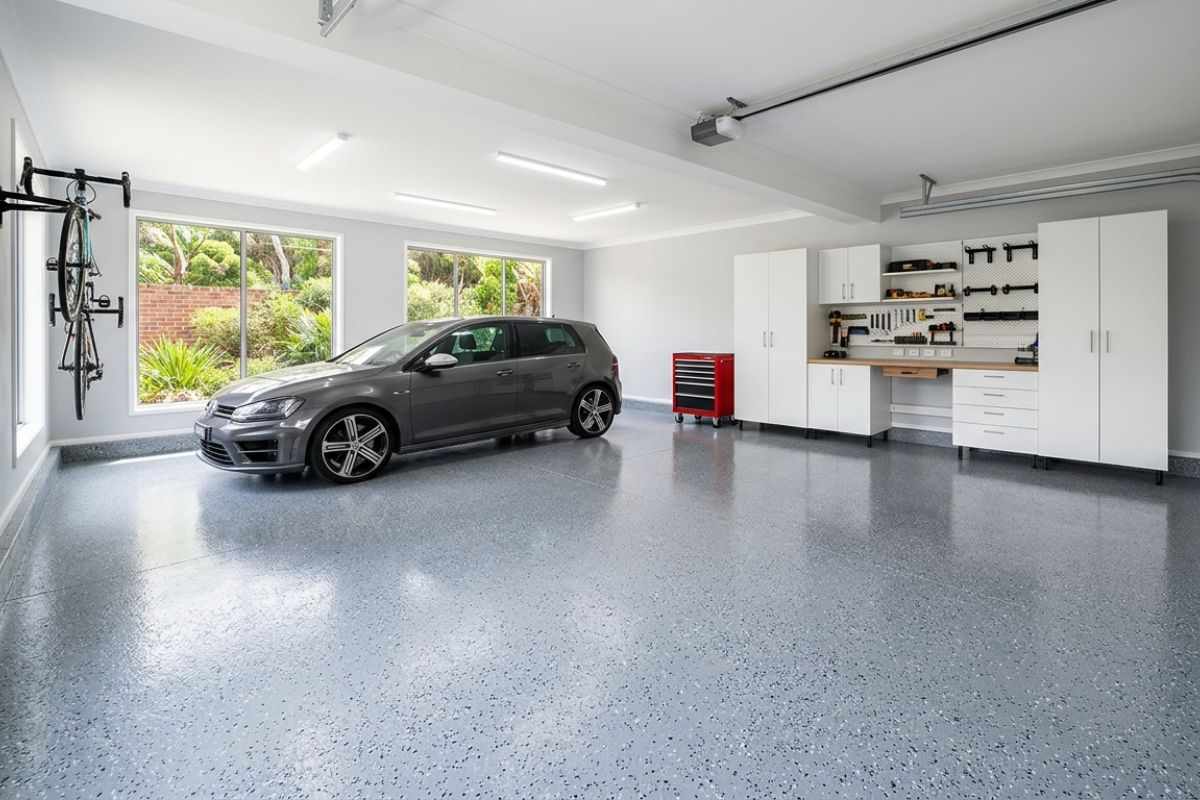
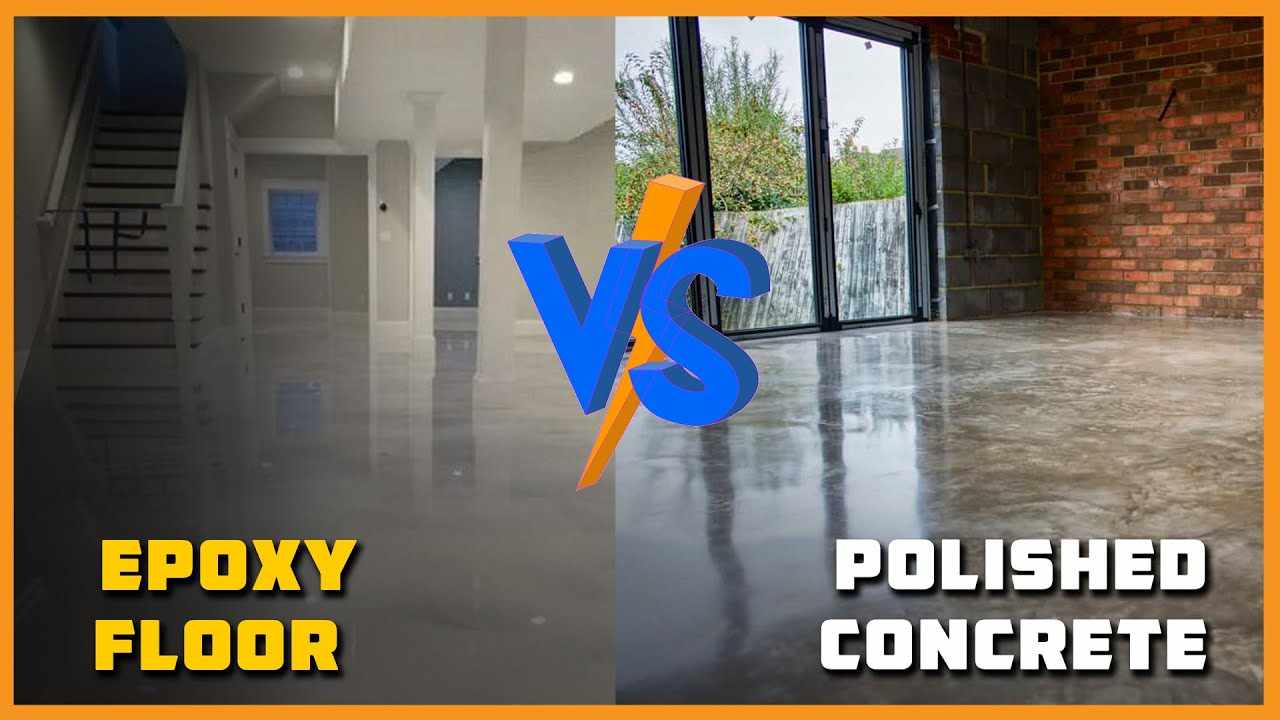
Designed to be mechanically polished, these overlays replicate the look and feel of polished concrete but with more control over colour, texture, and consistency. Their sleek, reflective appearance makes them a top choice for luxury homes and commercial displays.
Decorative or stamped overlays
Used mostly in outdoor areas, stamped overlays mimic stone, slate, pavers, or timber. They enhance patios, pool areas, walkways, and alfresco spaces.
The Installation Process
A successful concrete overlay requires a skilled, methodical installation process:
1. Surface Inspection
The existing concrete is assessed for structural issues, moisture, cracks, or contamination that may interfere with adhesion.
2. Surface Preparation
Grinding, cleaning, and repairing imperfections ensure the overlay bonds correctly. This preparation stage is crucial for long-term durability.
3. Priming
A primer is applied to create strong adhesion between the old surface and the new overlay.
4. Overlay Application
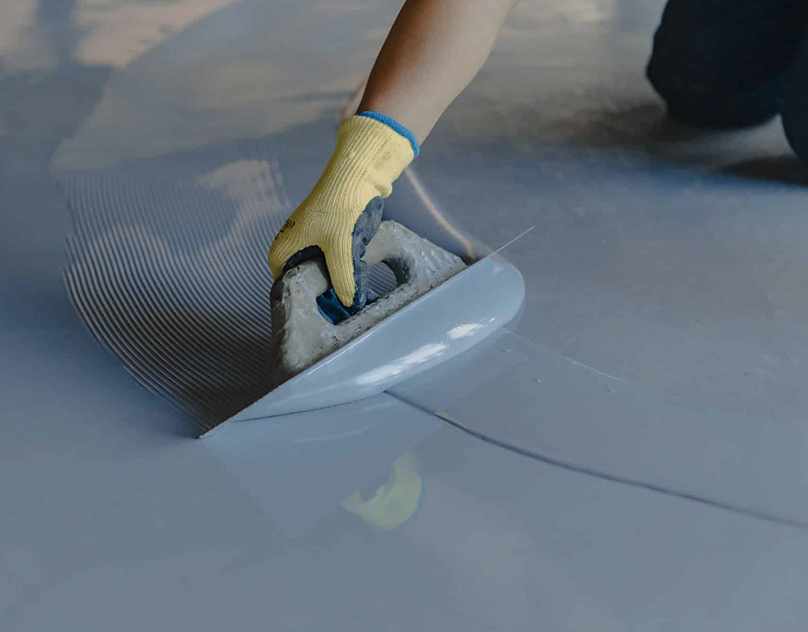
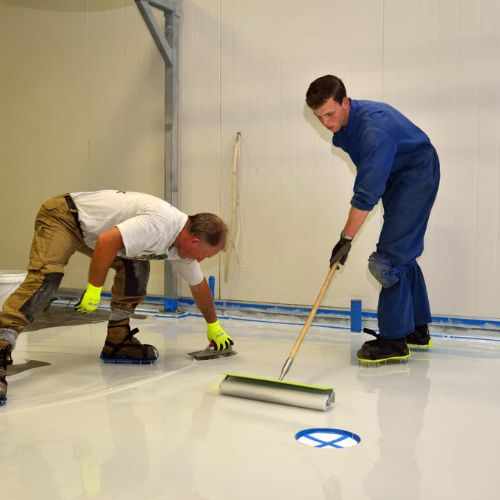
Depending on the chosen system, the overlay is poured, trowelled, or spread evenly across the floor. Thickness varies depending on the condition of the original slab and desired finish.
5. Polishing or Finishing
Once cured, the overlay can be mechanically polished, stained, coloured, or textured to achieve the desired aesthetic.
6. Sealing
A high-quality sealer protects the surface from stains, moisture, and wear, preserving the appearance and performance of the overlay.
Design and Style Options
Concrete overlays offer a wide range of customisation options that appeal to Melbourne's design-conscious homeowners and business owners:
Smooth, monochromatic finishes for modern interiors
Light to dark greys for industrial-style spaces
High-gloss polished finishes for luxury environments
Matte surfaces for minimalist designs
Custom colours and tints to match décor
Decorative saw cuts or geometric patterns
Stone-like or textured surfaces for outdoor settings
Because overlays are created on-site, each floor is unique, giving you complete control over the final look.
Polished Concrete Overlay Cost in Melbourne
Understanding the polished concrete overlay cost is important for planning your project. While prices vary depending on site conditions and design choices, several factors influence the final cost:
1. Condition of the existing floor
Floors with severe cracks, moisture issues, or heavy damage require more preparation, increasing overall costs.
2. Type of overlay system
Micro-toppings, self-levelling overlays, and decorative finishes all come with different material and labour requirements.
3. Polishing level and finish
A simple matte finish involves fewer polishing stages, while a high-gloss reflective finish requires more grinding, time, and materials.
4. Surface size
Larger areas typically lower the cost per square metre because labour and equipment costs are distributed over a bigger space.
5. Customisation and design
Colouring, staining, patterns, or decorative features can add to the final price.
Despite these variables, many Melbourne property owners find that overlays offer significant savings compared to removing and replacing concrete slabs, making them an excellent value for long-term flooring upgrades.
Ideal Applications for Concrete Overlays
Concrete overlays are used in a wide range of residential, commercial, and industrial settings, including:
Living rooms, kitchens, and open-plan homes
Retail stores and boutique shops
Restaurants, cafés, and hospitality venues
Office buildings and commercial suites
Warehouses and light industrial facilities
Patios, alfresco areas, and outdoor walkways
Their versatility, along with their durability, makes them suitable for nearly any environment.
Maintenance Tips for Long-Lasting Overlays
With proper care, concrete overlays can last many years. Here are some key maintenance tips:
Sweep or vacuum regularly to remove dust and debris
Mop with pH-neutral cleaners
Avoid harsh chemicals that may degrade sealers
Reseal floors periodically depending on usage
Use protective pads under furniture
Clean spills promptly to prevent staining
Following these simple steps preserves the beauty and performance of your floor long-term.
Final Thoughts
Concrete overlays offer Melbourne property owners a practical and stylish way to rejuvenate existing floors without the cost and hassle of full slab replacement. They provide unmatched flexibility in design, making them suitable for modern homes, commercial interiors, and outdoor environments. With their durable performance, quick installation, and favourable polished concrete overlay cost, concrete overlays have become one of the most efficient flooring solutions available.



Write a comment ...